
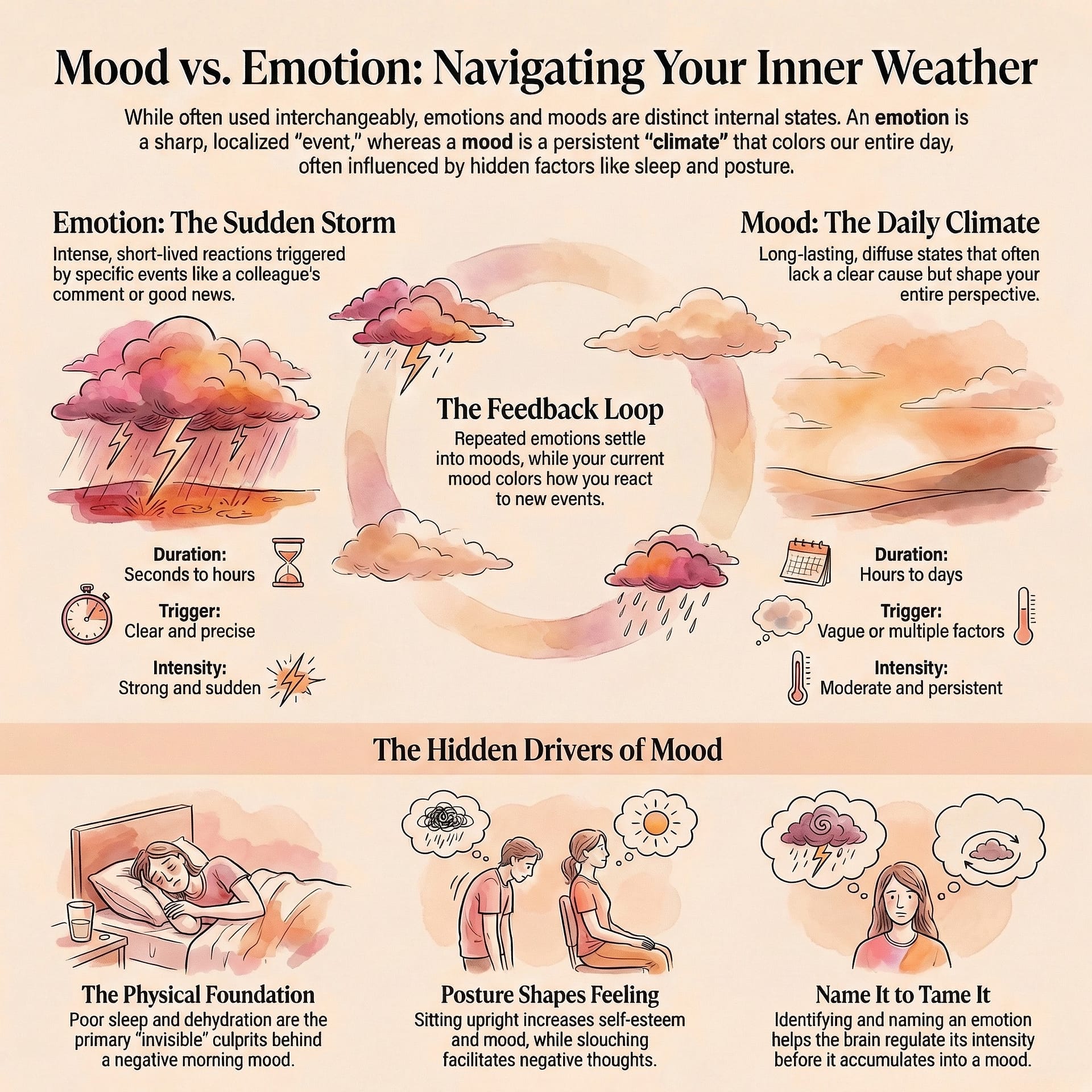
Mood and emotion: we often use these two words as if they meant the same thing. Yet they don’t.
Sometimes I wake up with a vague sense of unease that’s hard to name, without any obvious reason or identifiable trigger. Sometimes, even after thinking it through, the origin remains unclear. That’s not an emotion. That’s my mood.
What I’ve come to understand over time is that observing your emotion and your mood separately changes the way you read your inner state. They are not the same thing to observe, nor the same thing to understand.
In this article, I’ll explain how to tell the two apart, why it matters, and what you can do with that distinction in your daily life.
Mood and emotion: why everyone confuses them
The confusion is understandable. Both are inner states. Both influence our behaviour. And both can shift within the same day.
Yet they don’t work the same way. An emotion arises quickly, is intense, and is triggered by something specific. A mood, on the other hand, settles in gradually, lasts longer, and doesn’t always have an identifiable cause.
In reality, everyday language blurs the lines. We say ‘I’m sad’ to describe a fleeting emotion or a background sadness that has lasted two days. We say ‘I’m in a bad mood’ to refer to a five-minute irritation or a state that colours an entire week.
In other words, the words we use don’t make the distinction. Yet that distinction changes everything about how we interpret what we feel.
What exactly is an emotion?
An emotion is a fast, intense reaction triggered by a specific event. It lasts from a few seconds to a few hours, rarely longer.
For example: you receive good news and feel joy. A colleague says something unfair and anger rises. Or you miss your train and frustration appears. In each case, there is a clear trigger and an immediate reaction.
Emotions also pass through the body. A tight throat, a racing heart, contracted shoulders. They are psychophysiological: they involve both the mind and the physical body.
Philosopher Martha Nussbaum goes even further. In her work Upheavals of Thought: The Intelligence of Emotions, Cambridge University Press (2001), she argues that emotions are value judgements about what matters to us. They are not simply irrational reactions. They carry meaning, a specific object, and a direct link to what we consider important in our lives.
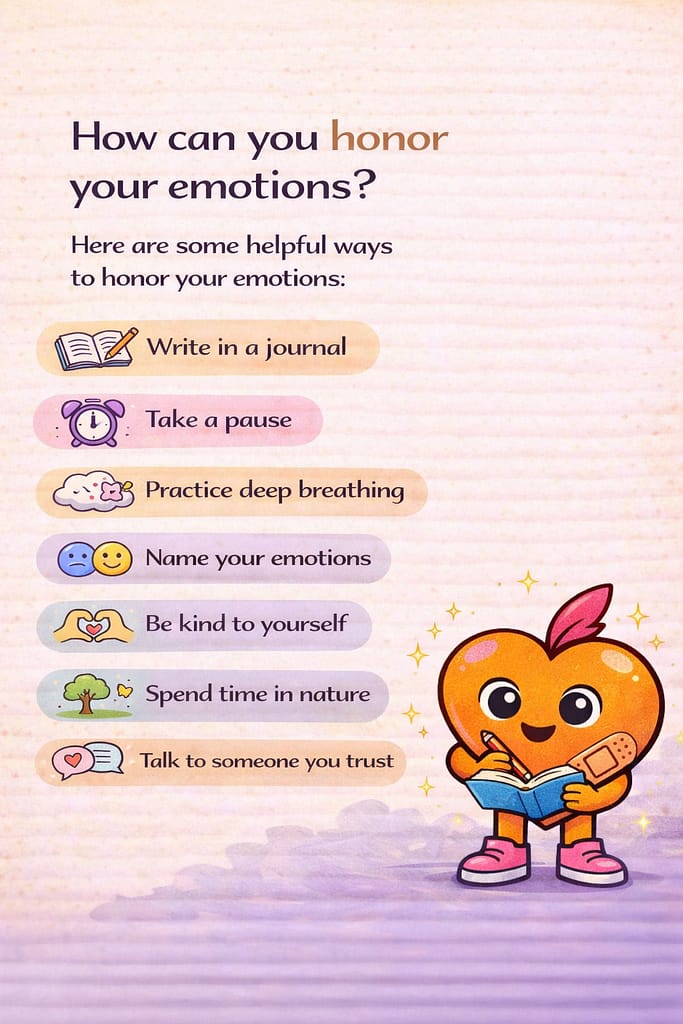
In fact, observing your emotion at the moment it arises is already a powerful act. Naming what you feel, even imperfectly, helps the brain regulate the intensity of the reaction.
What is a mood and how does it differ?
A mood is a background state. It lasts longer than an emotion, sometimes several hours, sometimes several days. Unlike an emotion, it doesn’t always have an identifiable trigger.
You can wake up in a bad mood without knowing why. Or you can go through an entire day with a diffuse sense of lightness or irritability, without any specific event to explain it. Sometimes, even after searching, the origin remains out of reach.
That is the fundamental difference: an emotion is a response to something. A mood is the context in which you experience your emotions. It colours the way you perceive things. The same situation will feel very different depending on whether you’re in a good or bad mood.
Furthermore, a mood is often the sum of several accumulated factors: unobserved emotions, sleep quality, stress levels, diet, the interactions of the day. It’s a composite state, not a reaction.
The 5 key differences between mood and emotion
| Emotion | Mood | |
| Duration | Seconds to a few hours | Hours to several days |
| Trigger | Clear and identifiable | Often unclear or multiple |
| Intensity | Strong and sudden | Moderate and persistent |
| Awareness | You know what you feel | You don’t always know why |
| Impact | Immediate reaction | Colors your whole day |
Mood vs emotion: key differences at a glance
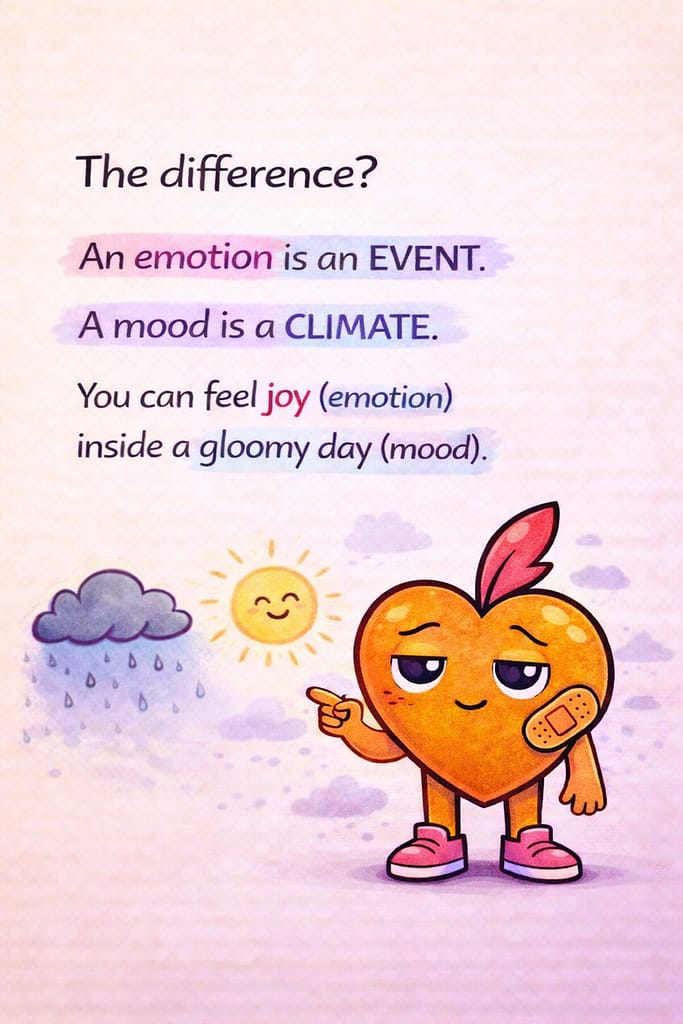
As this table shows, the two phenomena operate on different scales. An emotion is an event. A mood is a climate.
For instance, you can feel joy (emotion) in the middle of an overall gloomy day (mood). Or feel irritation (emotion) on a day when you generally feel fine (mood). The two coexist and influence each other.
Thus, repeated emotions gradually tint the mood. And the current mood colours the way you experience your emotions.
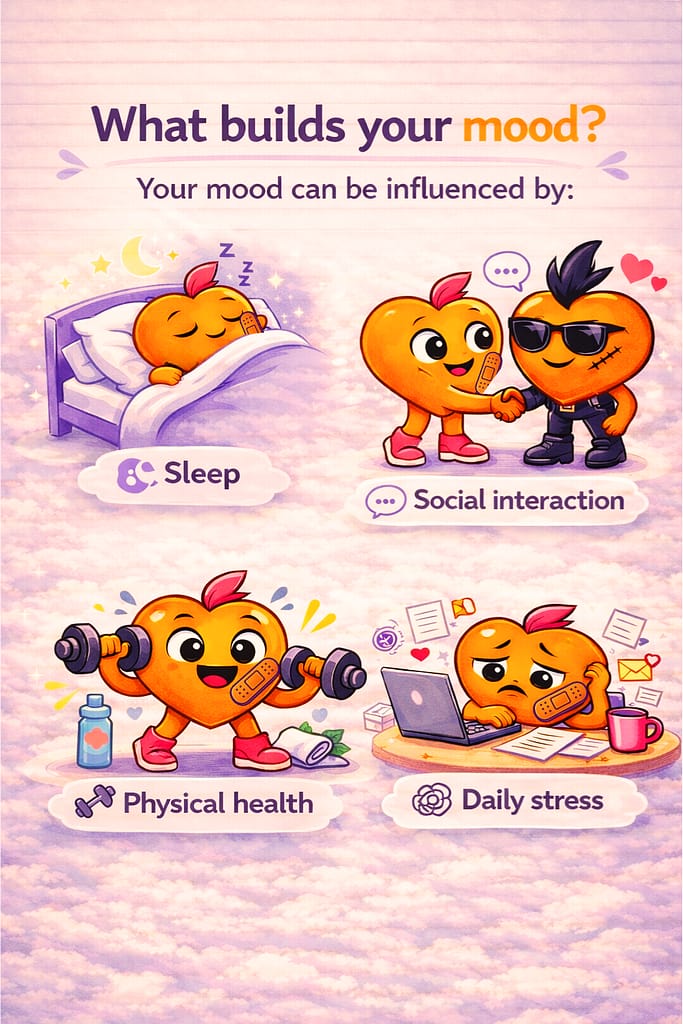
What shapes your mood every day without you noticing
A mood doesn’t appear out of nowhere. It builds from small, often invisible, everyday elements.
Sleep is often the first culprit. Personally, it’s the factor that affects my mood the most. A short or restless night lowers the tolerance threshold and creates a background irritability from the moment you wake up, before the day has even begun. Moreover, the link between sleep and emotions is deeper than we think: emotions that weren’t processed during the day often resurface at night and disrupt sleep. It’s a cycle that feeds on itself.
Hydration is another factor. Even mild dehydration is enough to cause fatigue and irritability without making the connection.
Posture also plays a concrete role. A study titled Do Slumped and Upright Postures Affect Stress Responses?, published in the journal Health Psychology, shows that people sitting upright report better self-esteem, more activation, and a better mood state than those in a slumped posture (Nair, Sagar, Sollers, Consedine & Broadbent, 2015). Slouching tends to encourage negative thoughts, while sitting up straight tends to improve the inner state.
Interactions also play a major role. Spending time with a very negative person can affect your mood, even without a direct conflict. Conversely, a warm exchange, even a brief one, can shift it in a better direction.
Finally, there are unobserved emotions that accumulate. When you don’t take the time to name what you feel during the day, those emotions don’t disappear. They settle in the background and gradually build into a diffuse, often negative mood.
That’s why emotional motivation often starts there: understanding what shapes your inner state before trying to take action.
Mood and emotion in daily life: where to start tomorrow
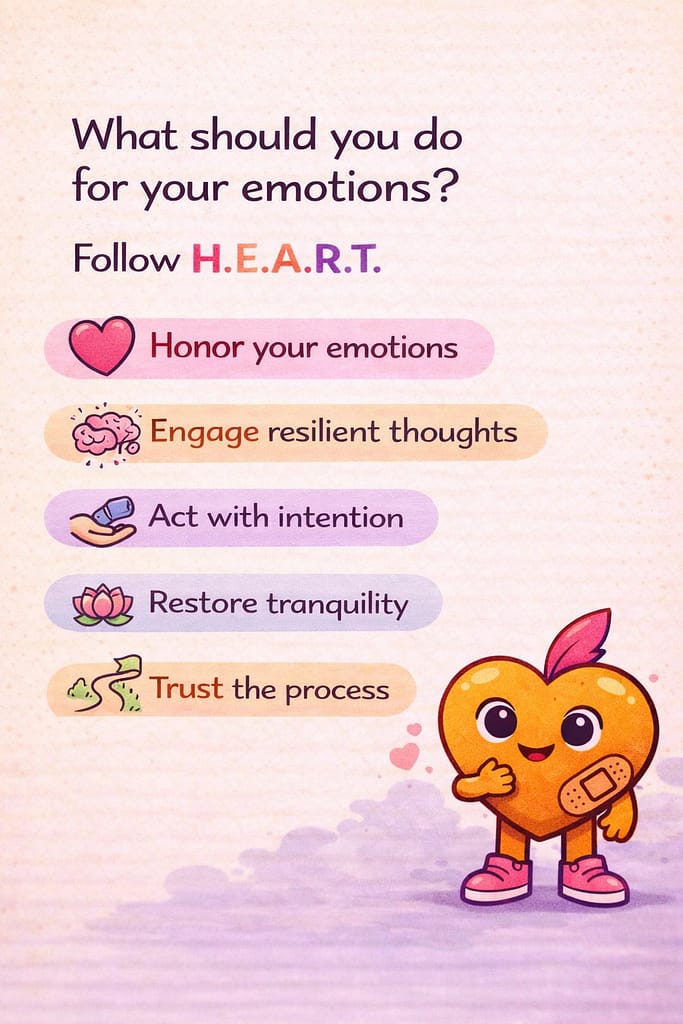
Distinguishing mood from emotion is not a theoretical exercise. It’s a concrete tool for understanding yourself better.
When you feel off without knowing why, asking yourself ‘is this an emotion or a mood?’ already shifts the perspective. If it’s an emotion, look for the trigger. If it’s a mood, look instead at your sleep, your interactions, what you didn’t stop to observe during the day.
For my part, building Emosupport didn’t change the way I distinguish the two — that was already ingrained. But tracking my emotions every day has reinforced something deeper: an overall emotional awareness. I see more clearly what’s going on inside, even when I don’t fully understand it.
That’s also what emotional intelligence works on: learning to identify what’s really happening inside, so you’re no longer caught off guard by your own reactions.
If you want a simple space to note your emotions and track your mood over time, that’s exactly what the emotional motivation app Emosupport offers. And if you want to join the newsletter and try the app early, become an Emosupporter. No pressure. Just to see.
And you — can you tell the difference between an emotion and a mood in your day? Share it in the comments.
In my next article, I’ll be talking about the difference between emotion and mood, so you don’t mix them up.
FAQ: Mood and Emotion
An emotion is an intense, short-lived reaction triggered by a specific event. A mood is a more diffuse background state that lasts longer and doesn’t always have an identifiable cause. An emotion is an event; a mood is a climate.
Ask yourself two questions: do I know what triggered what I’m feeling? Has it been there for more than a few hours? If the answer to the first is no and to the second is yes, it’s probably a mood. If you can identify a clear trigger and the feeling is intense and recent, it’s an emotion.
Mood is often shaped by factors we don’t consciously notice: sleep quality, hydration, the interactions of the day, or unobserved emotions that accumulate. Furthermore, the link between sleep and night-time wake-ups is direct: a difficult night can set a bad mood from the morning onwards, without any apparent explanation, even after reflection.
Yes, directly. Repeated, unobserved emotions gradually tint the mood. Several small frustrations throughout the day, even minor ones, can build a background irritability by the evening. Conversely, moments of joy or gratitude that are observed and named help maintain a more stable mood.